Men’s Suits
24 products
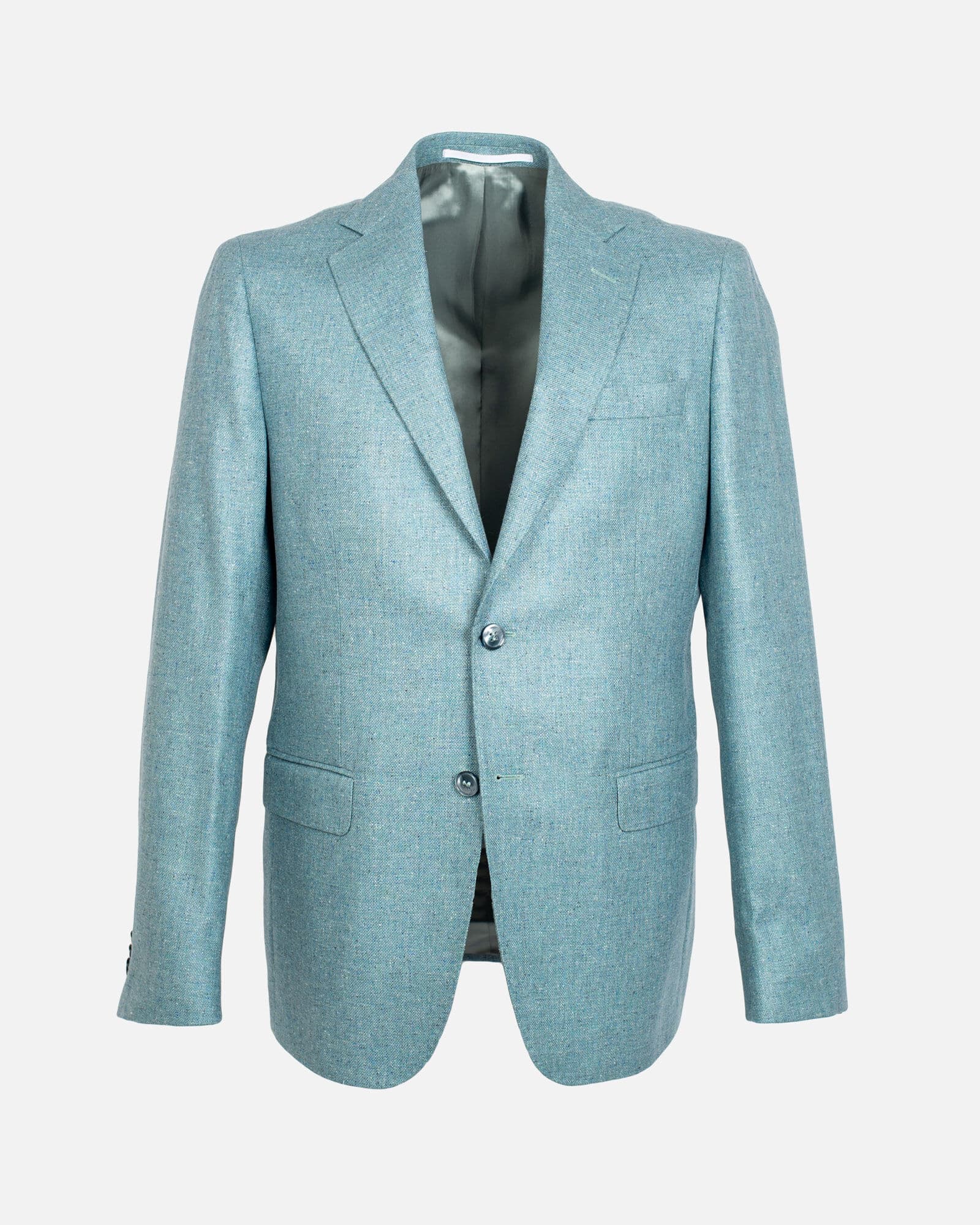
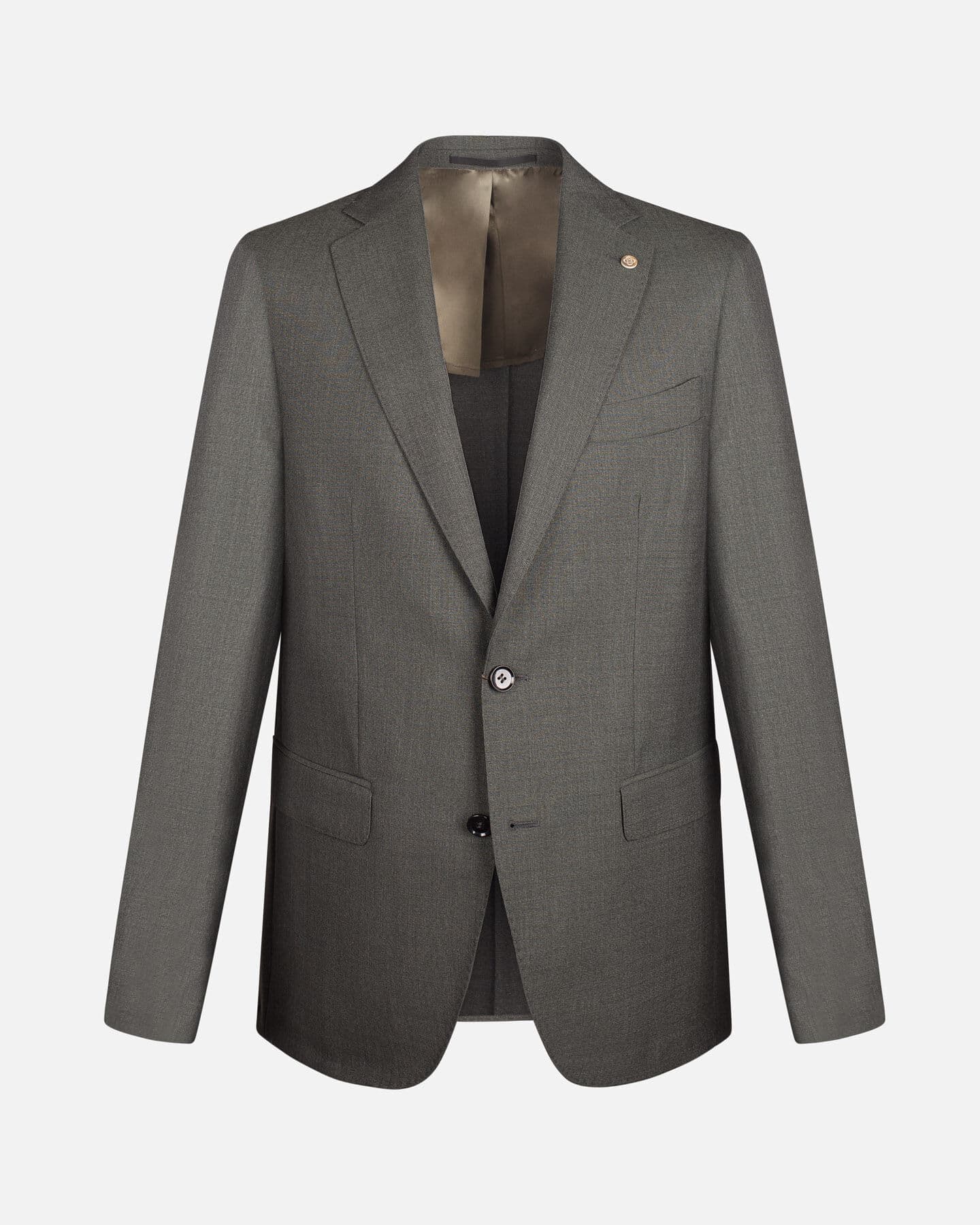
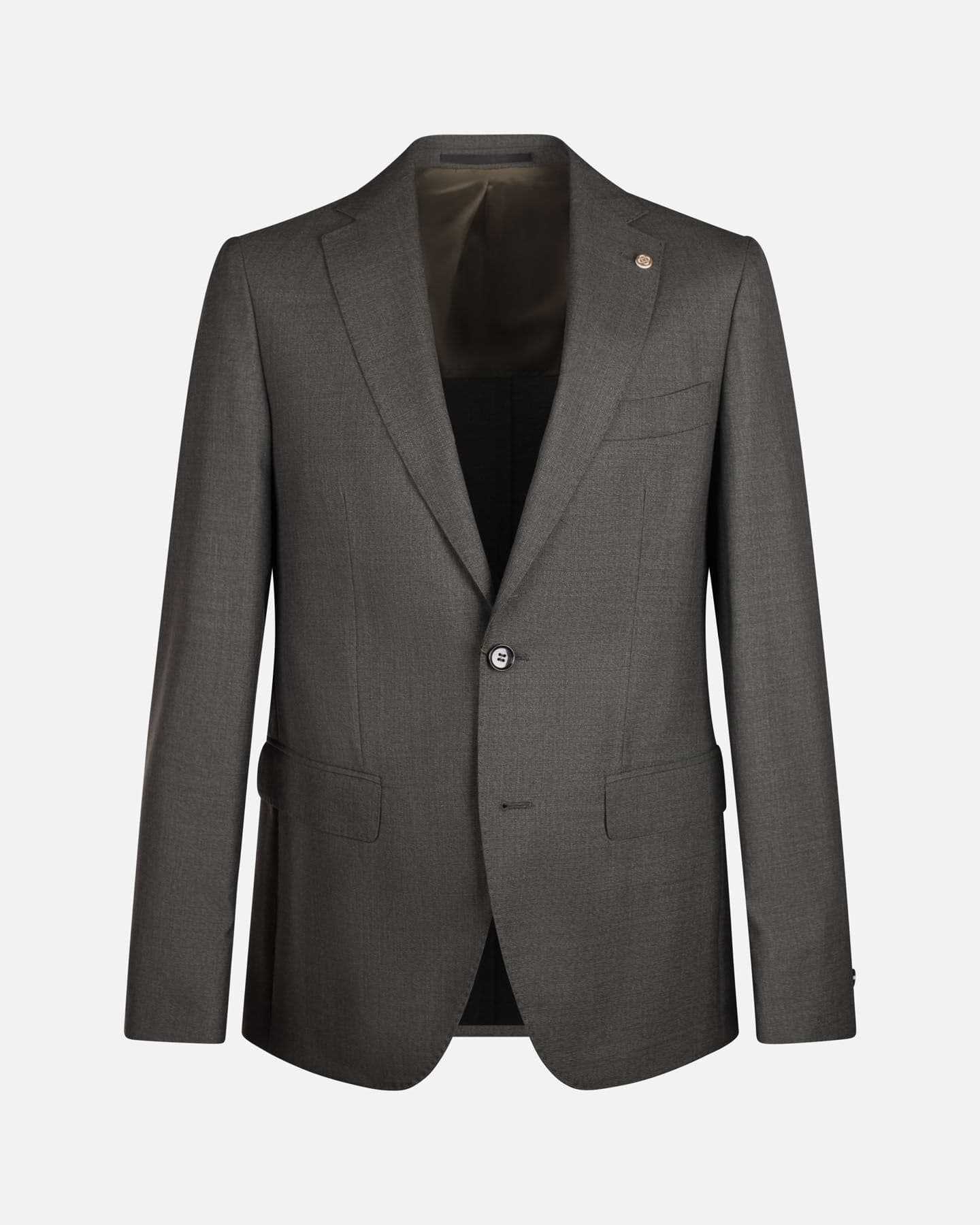
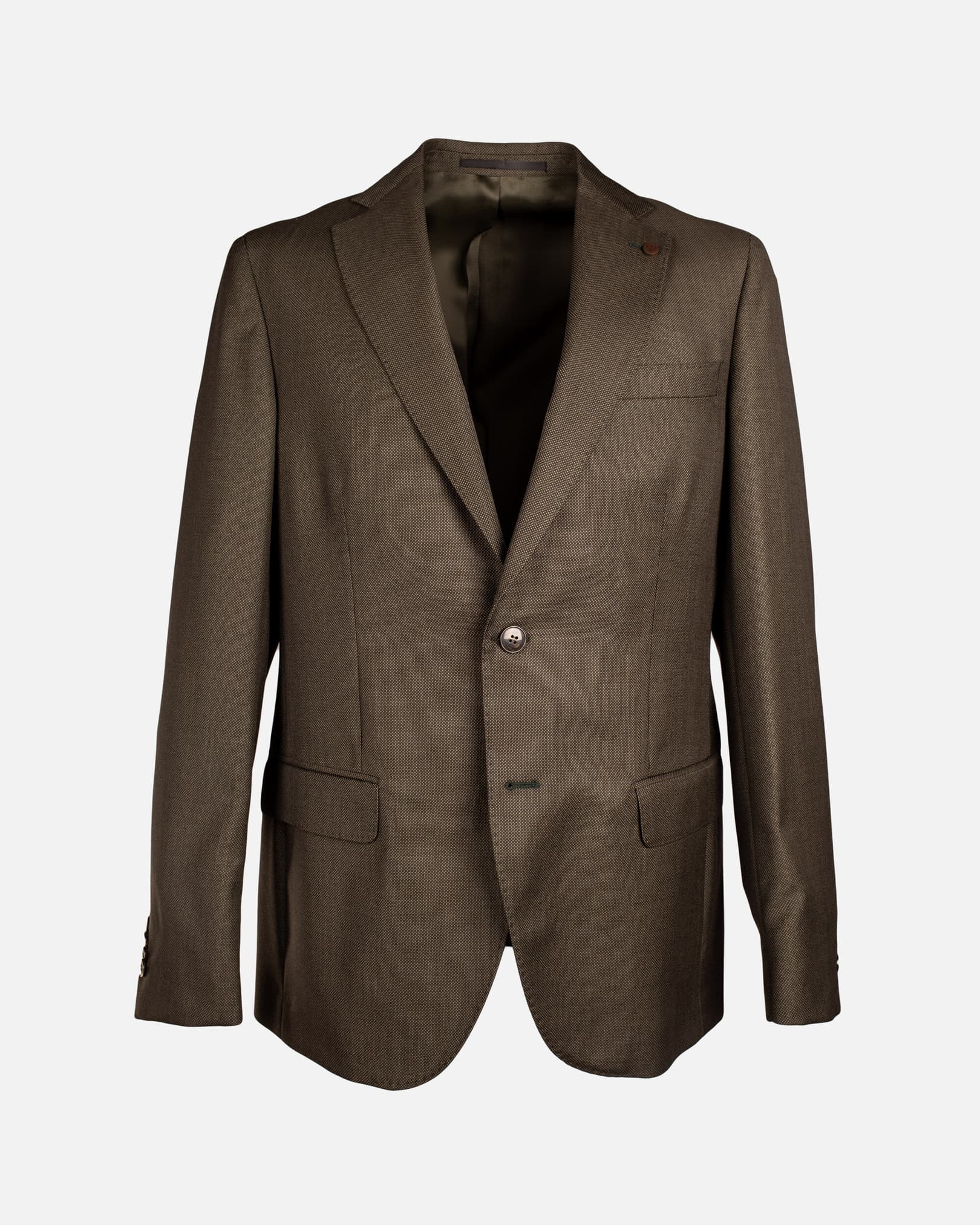
)
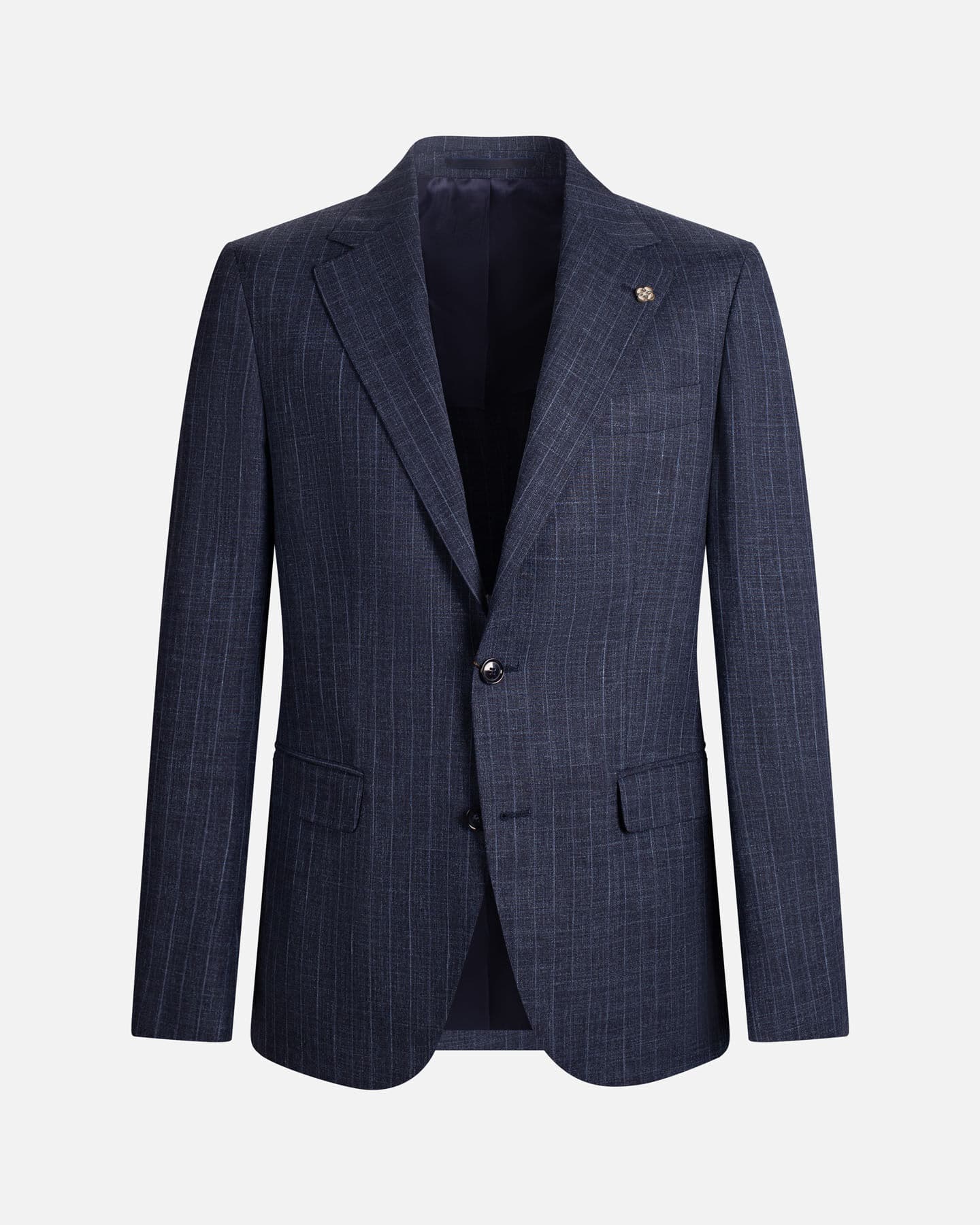
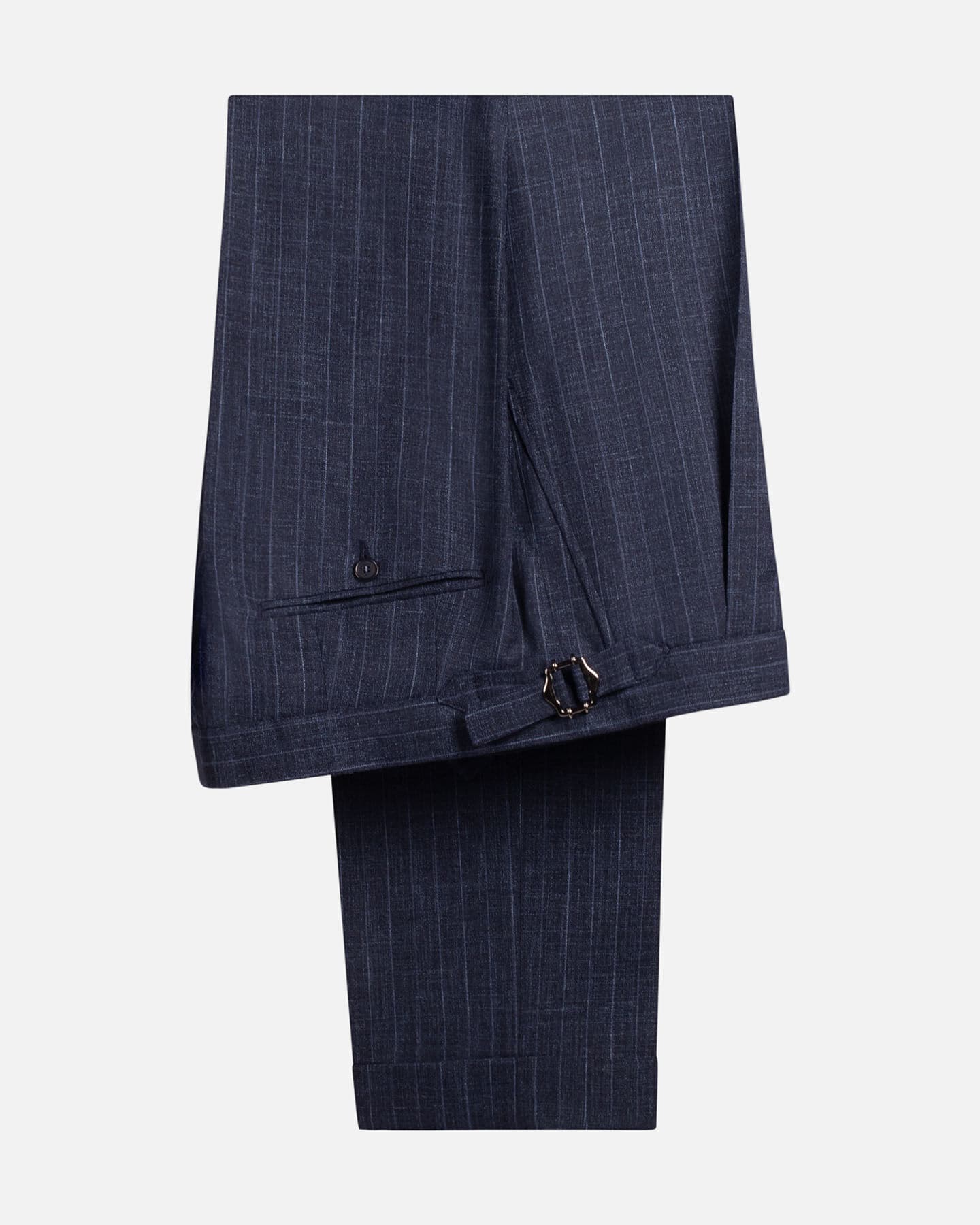
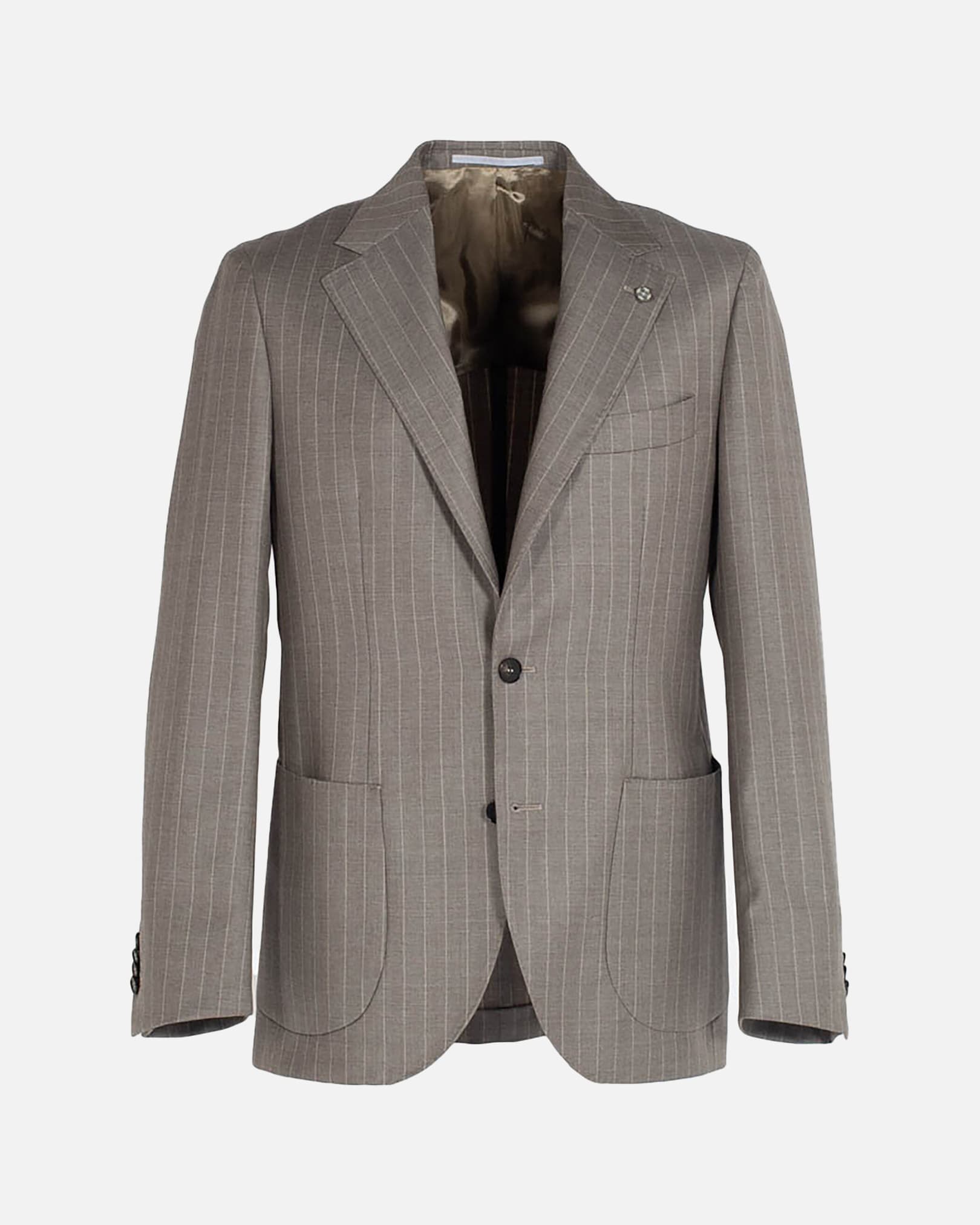
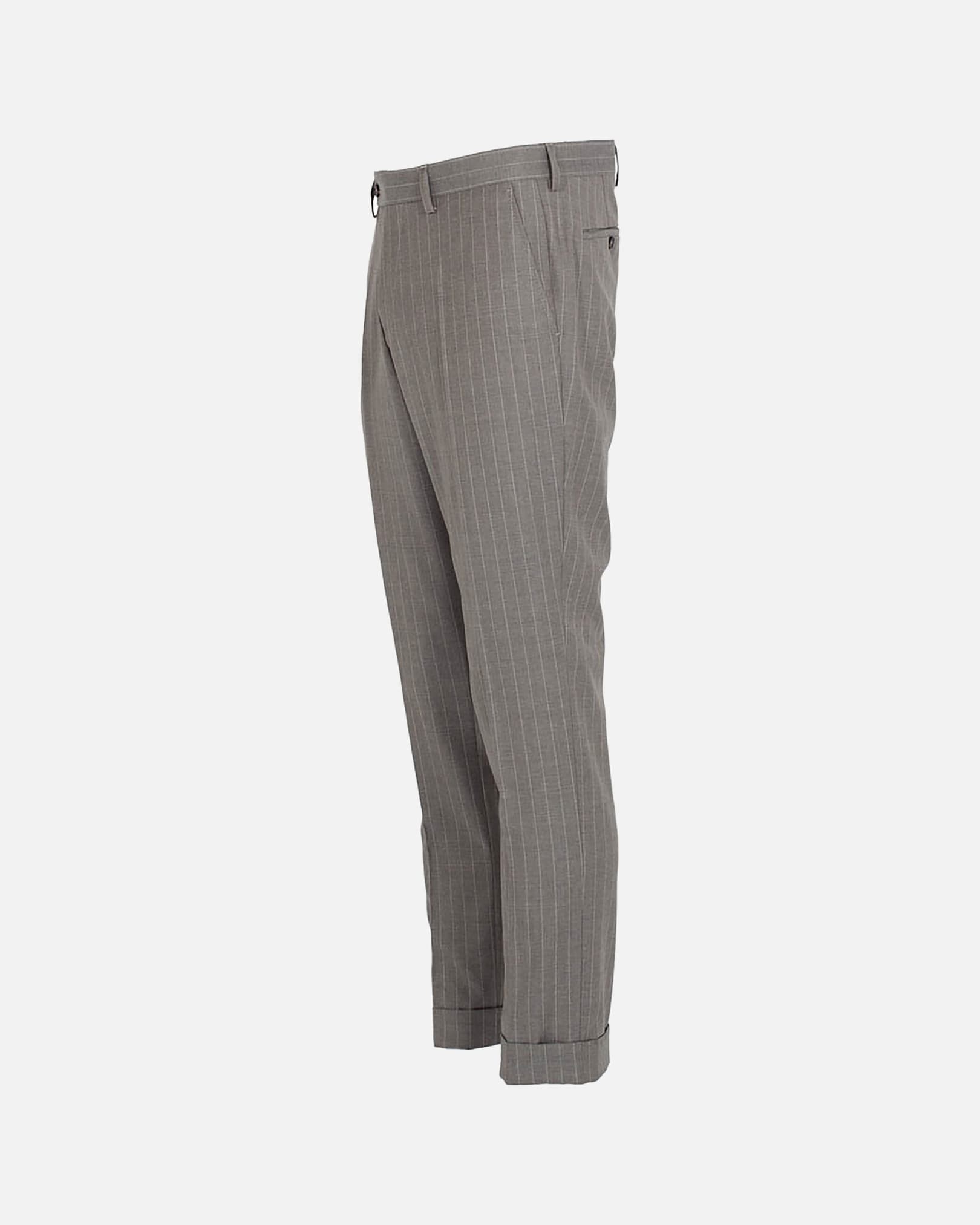
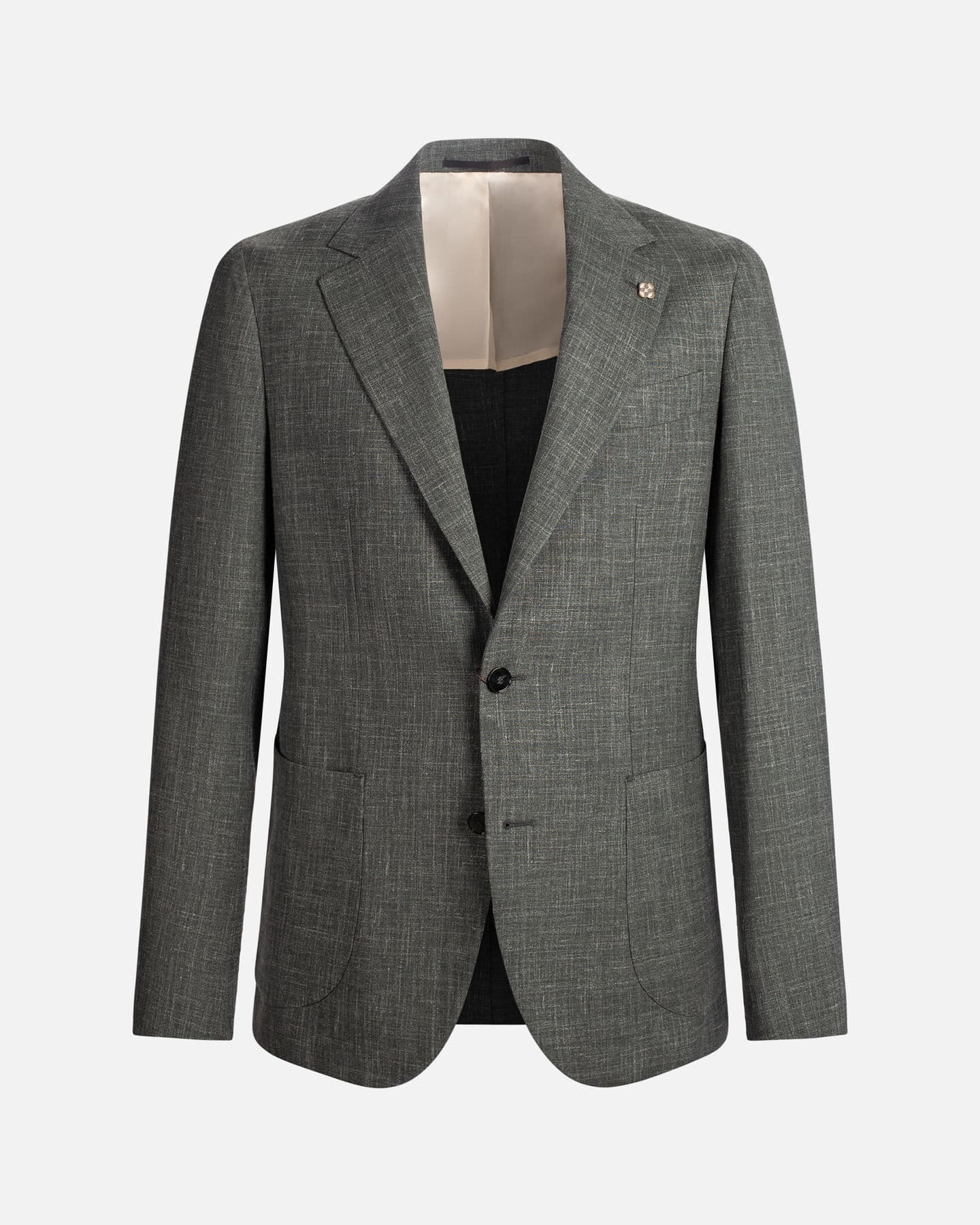
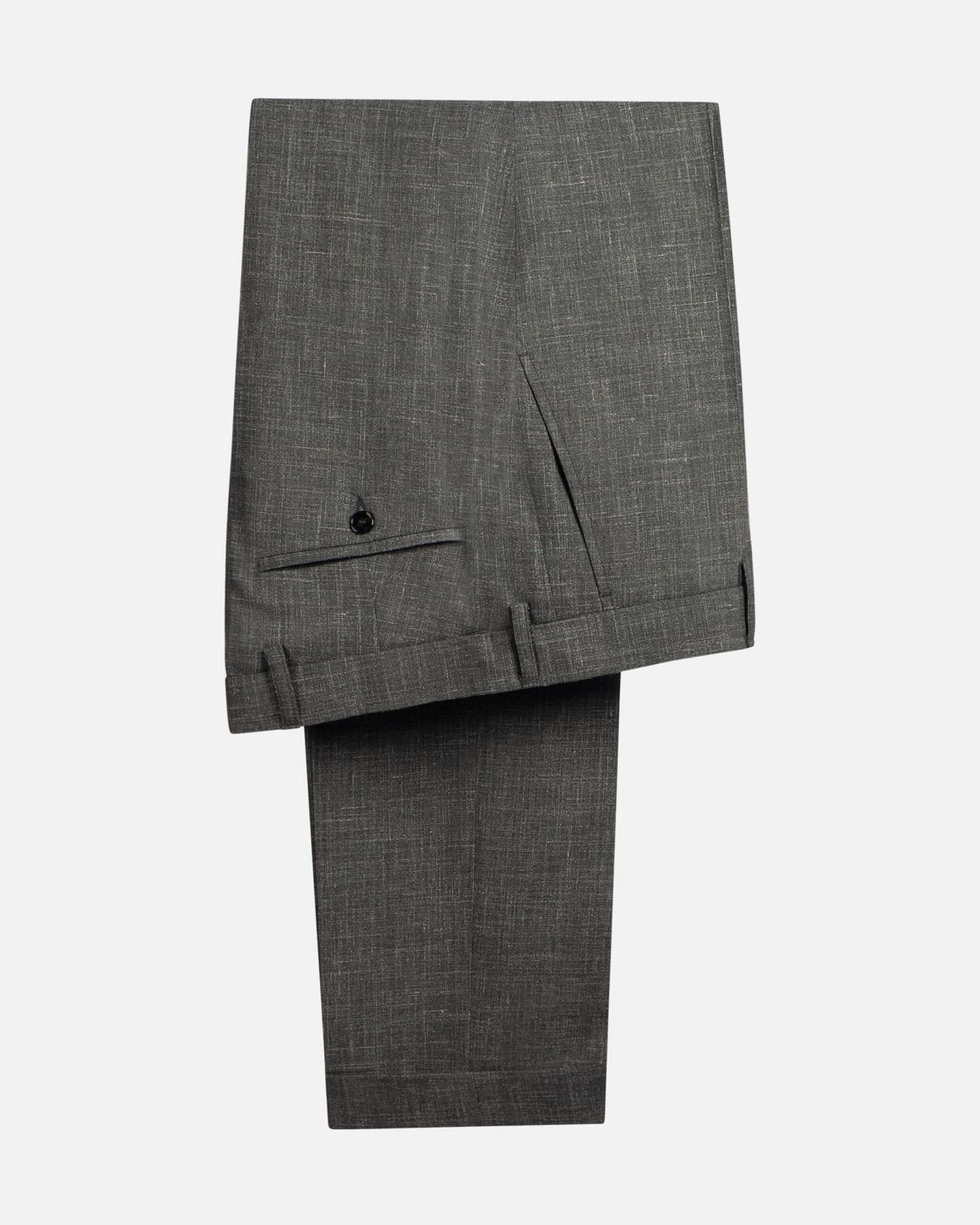
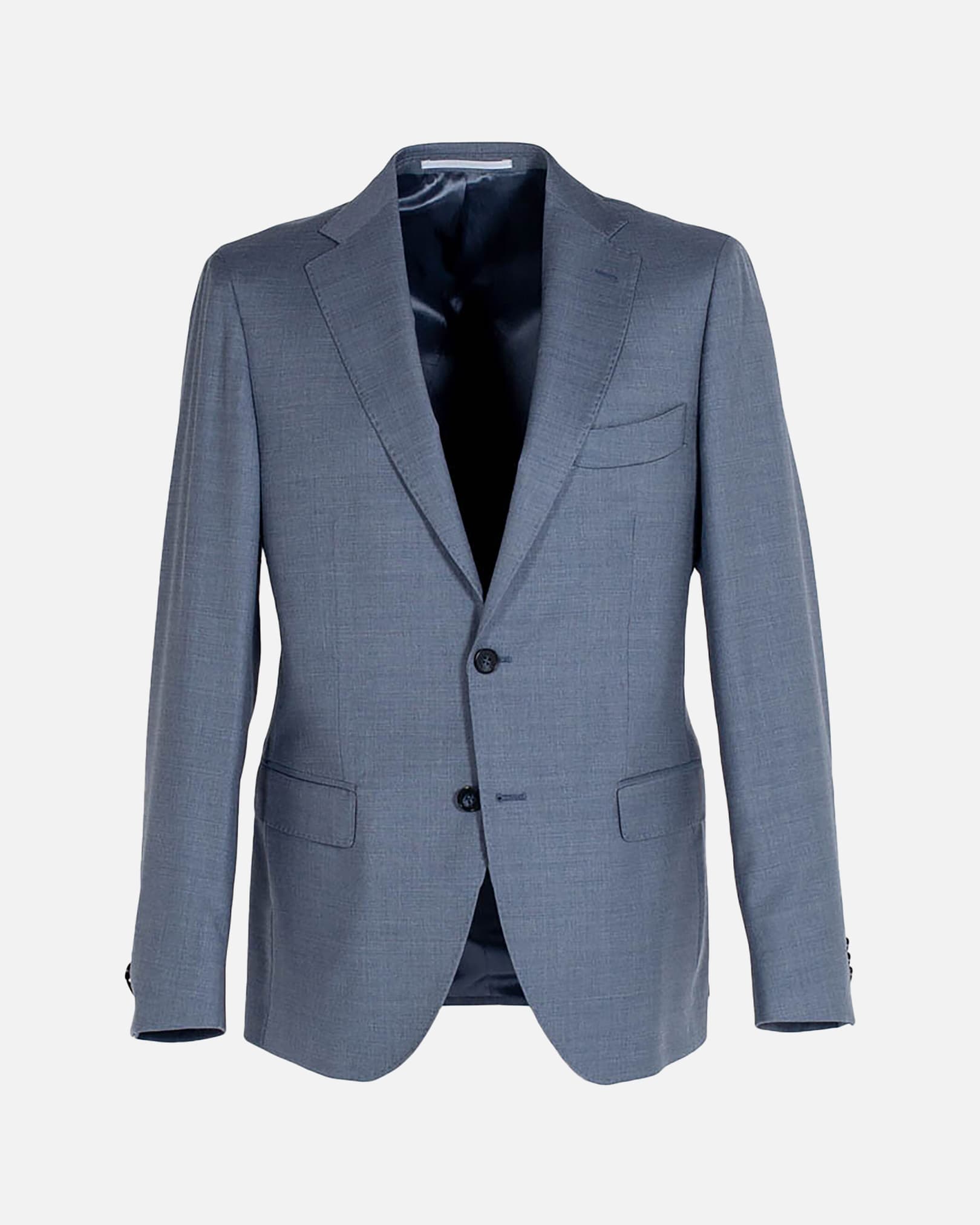
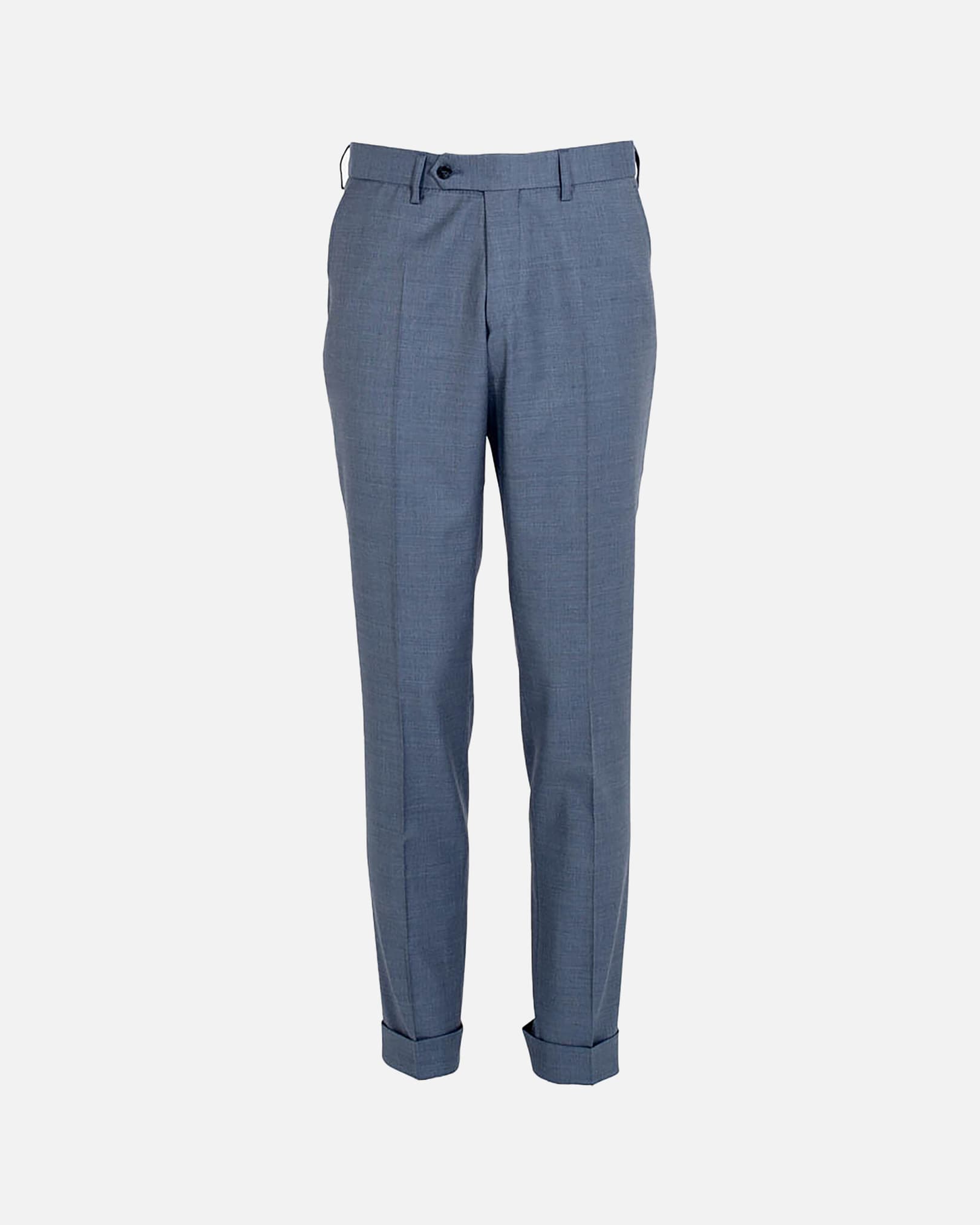
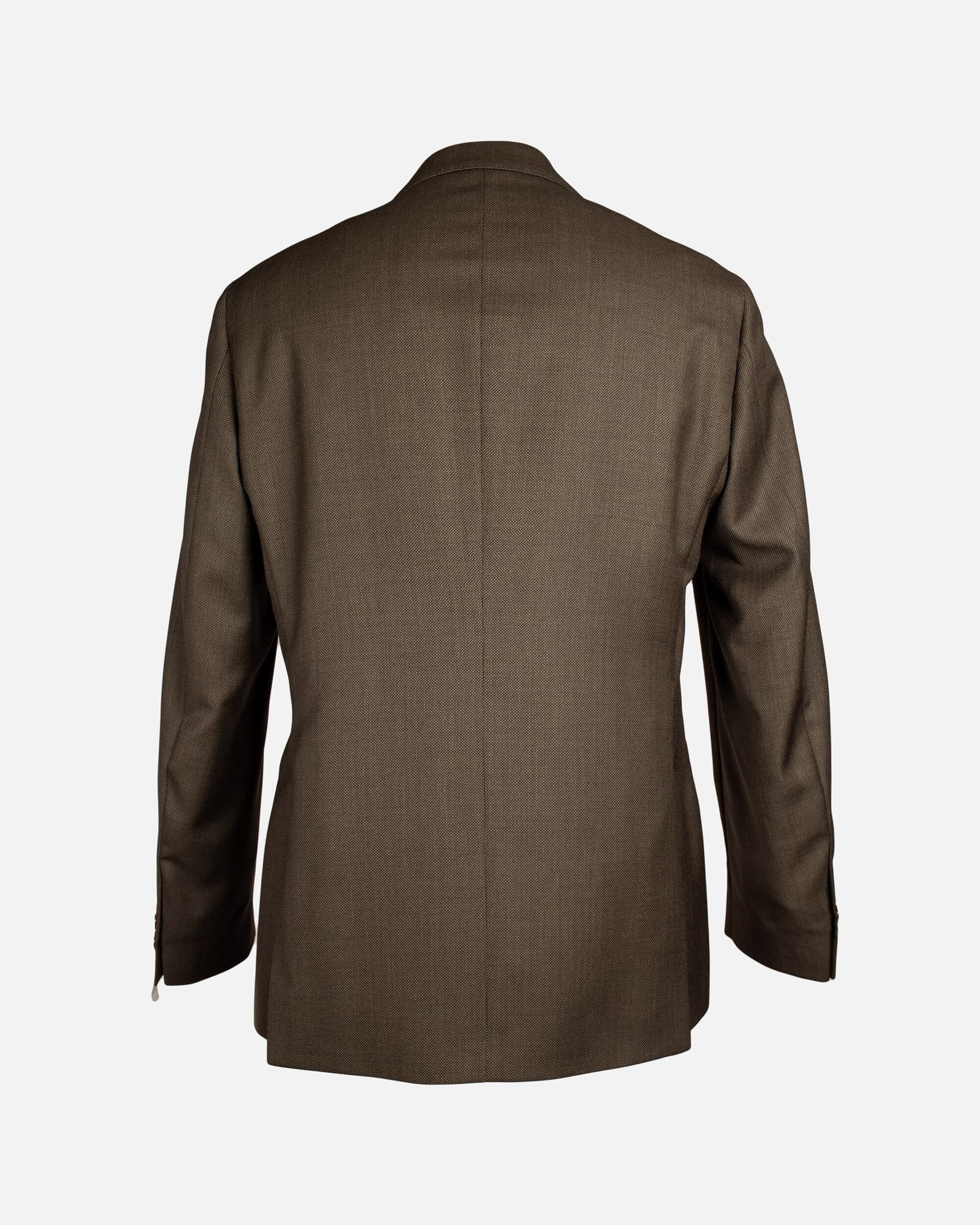
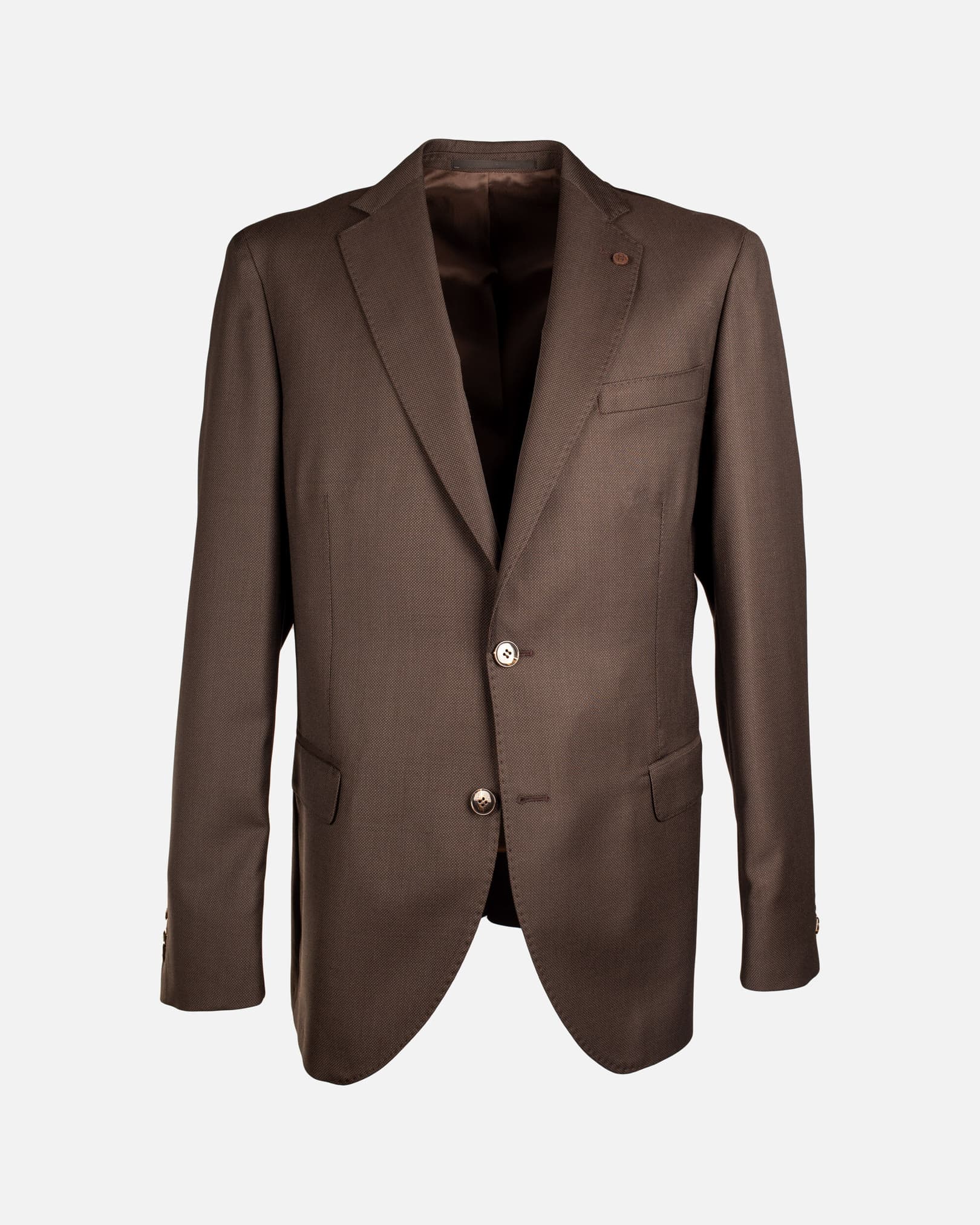
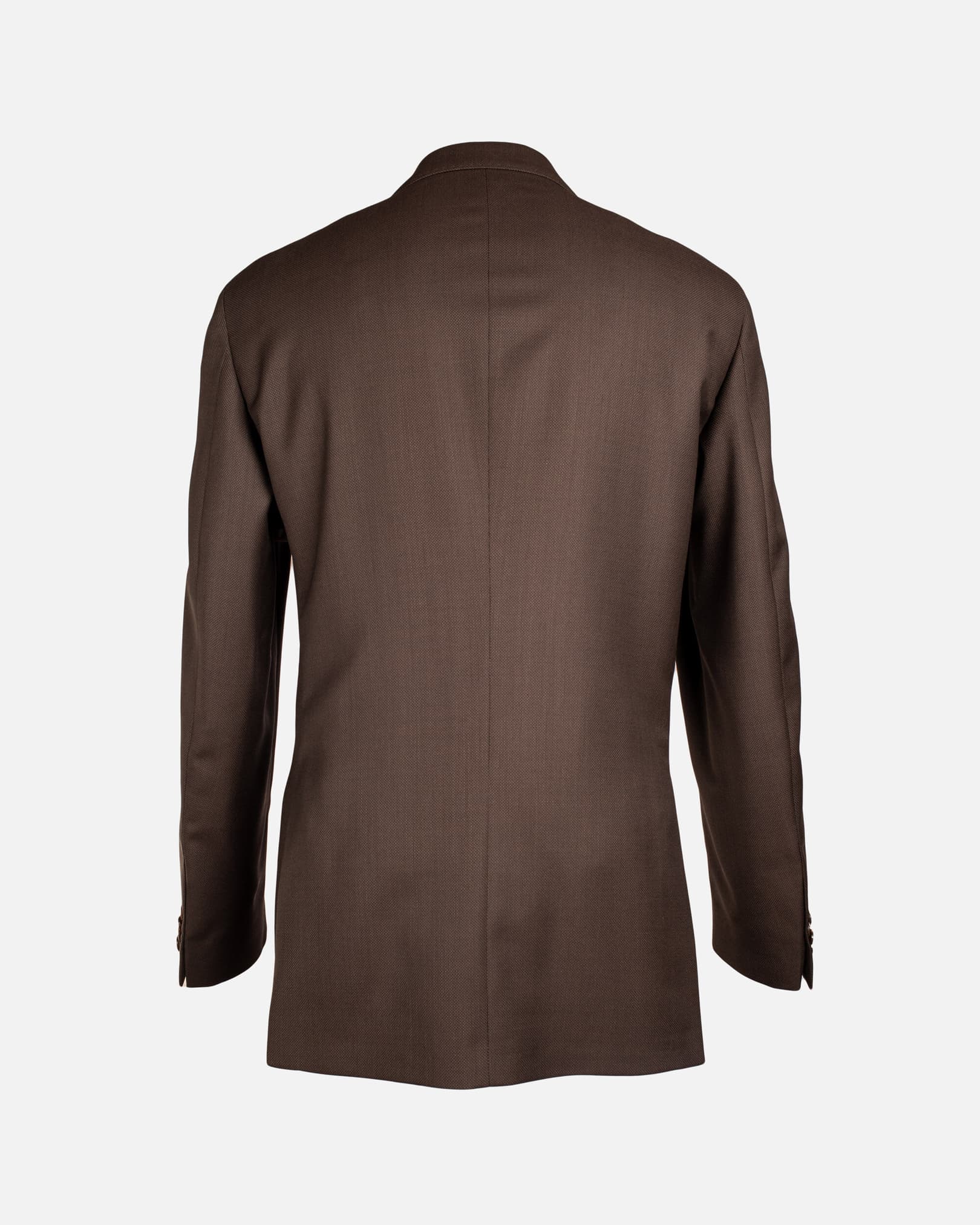
Suits vary depending on formality and use. A business suit is typically more structured and designed for daily wear, while formal options such as tuxedos follow stricter rules for evening events. Three-piece suits, including a waistcoat, create a more complete and formal expression.
Fit is the defining factor. The jacket should sit cleanly across the shoulders, while the trousers follow the leg without excess fabric. Together, they create a balanced silhouette that works both standing and in movement.
Fabric selection affects durability and appearance. Wool is the standard choice due to its versatility, structure, and ability to hold shape over time. Lighter fabrics are suited to warmer conditions, while heavier weaves provide more structure.
A well-made suit is designed to be worn repeatedly, maintaining both its fit and overall appearance over time.
What is the difference between a suit and a tuxedo?
A suit is used for business and general formal wear. A tuxedo is reserved for formal evening occasions and includes specific details such as satin lapels.
How should a men’s suit fit?
A suit should follow the body without restriction. The jacket should sit cleanly at the shoulders, and the trousers should have a balanced line without excess fabric.
When should you wear a suit?
Suits are worn for business, weddings, and formal events where a defined dress code is expected.
What fabric is best for suits?
Wool is the most common fabric due to its durability, structure, and adaptability across seasons.