Men’s Shirts
Men’s shirts are a core part of tailored dressing, used for business, formal occasions, and everyday wear. From dress shirts worn with suits to more relaxed options, the choice of shirt defines the overall impression.
Fit and fabric determine how the shirt sits on the body and how it performs throughout the day.
24 products
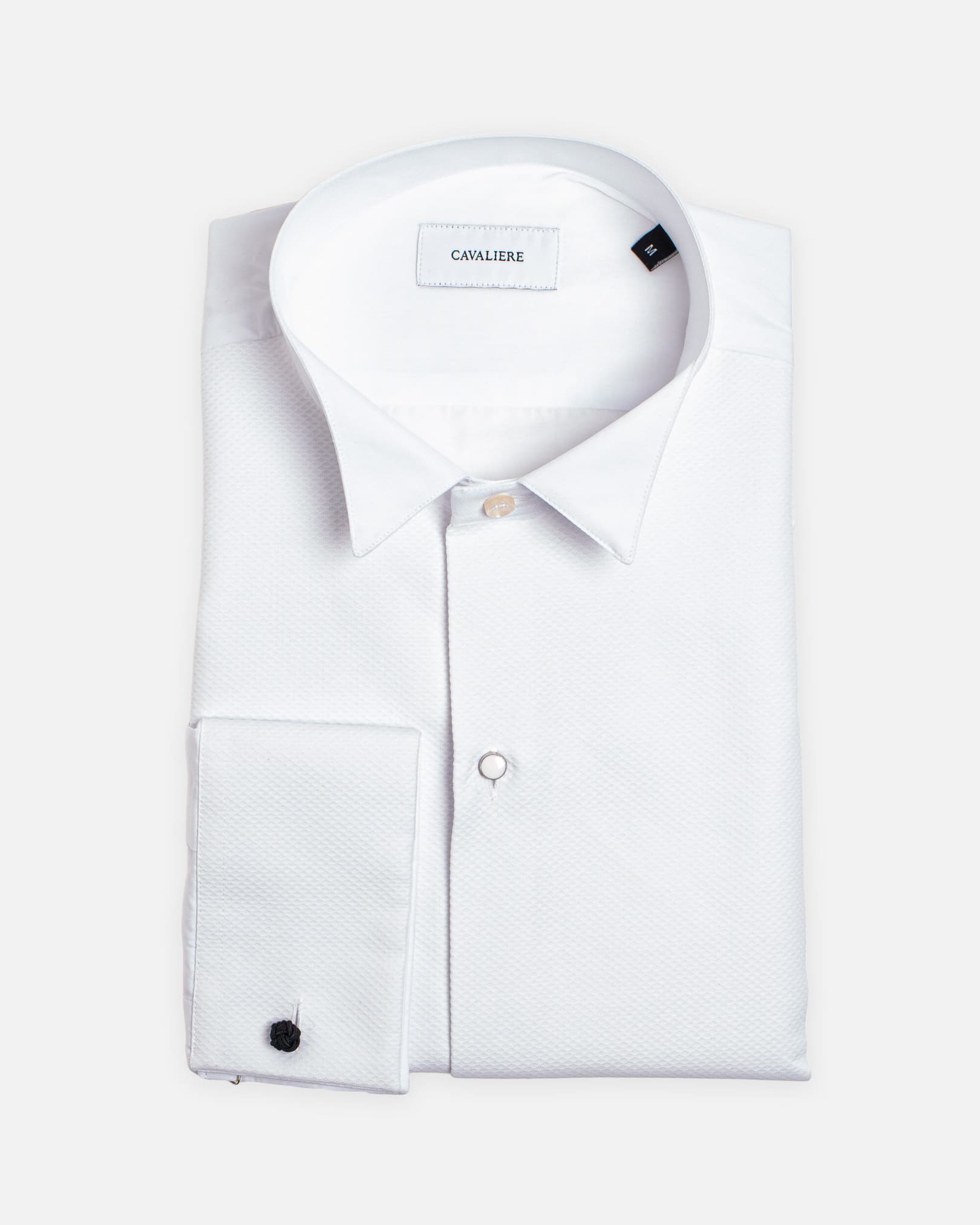
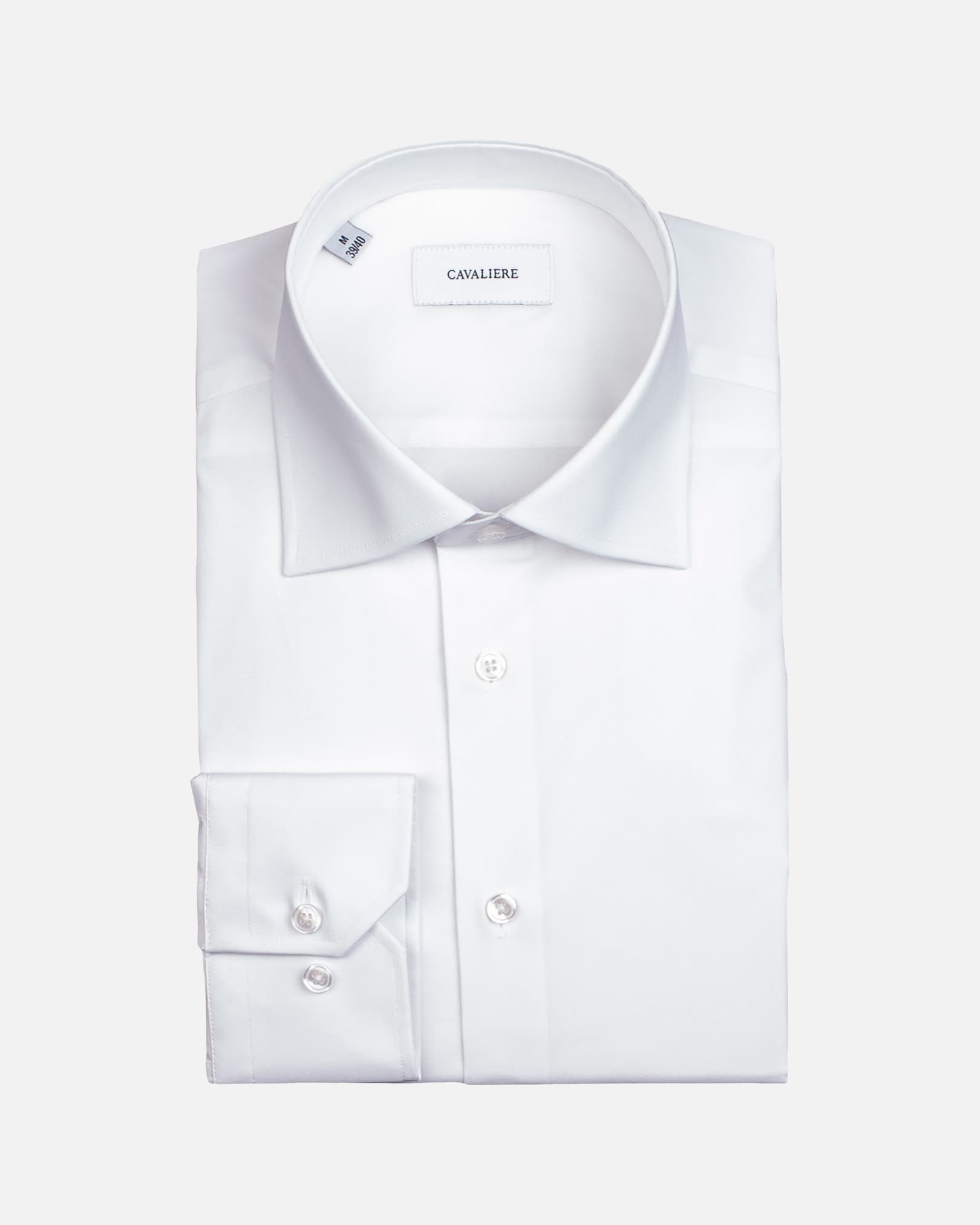
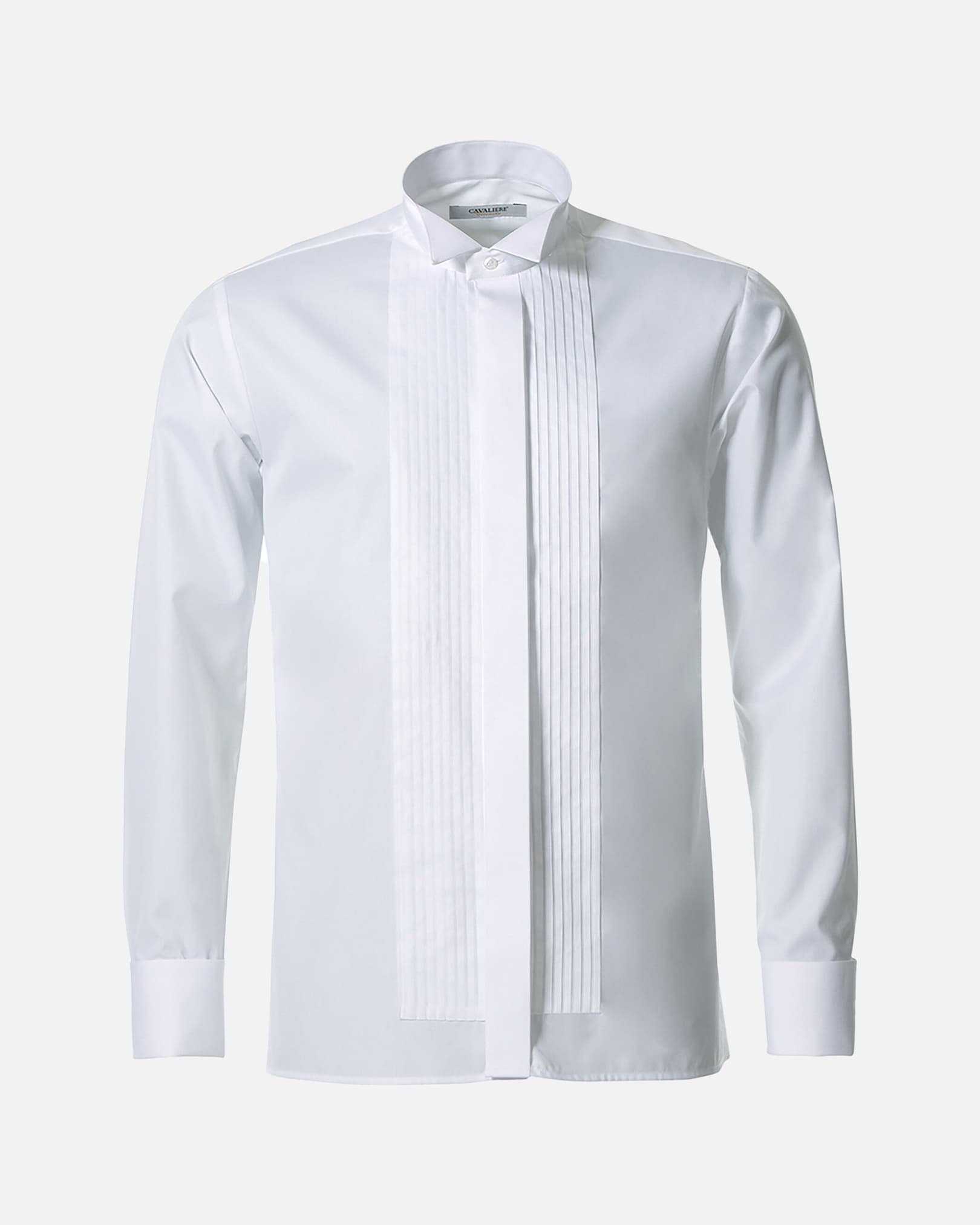
)
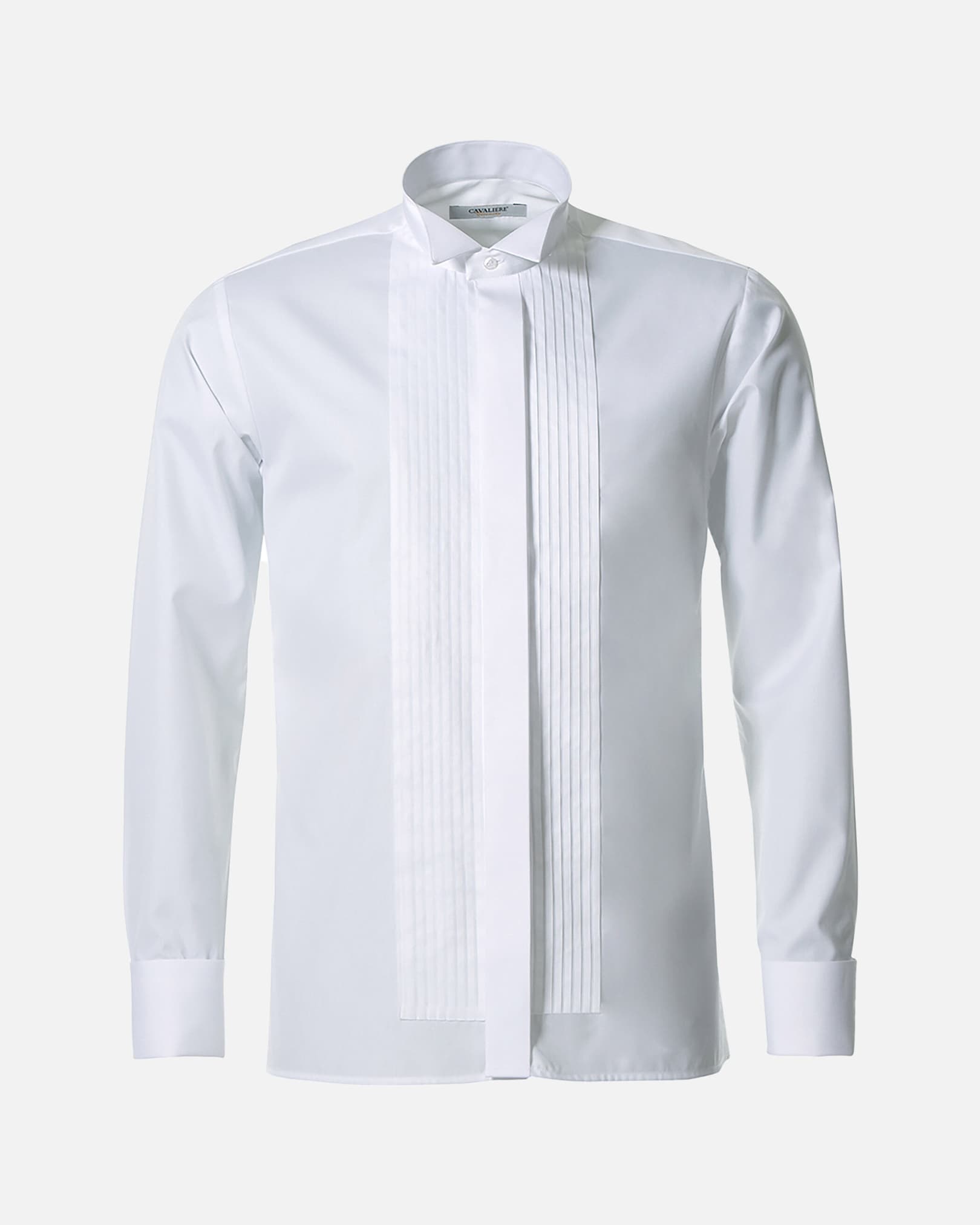
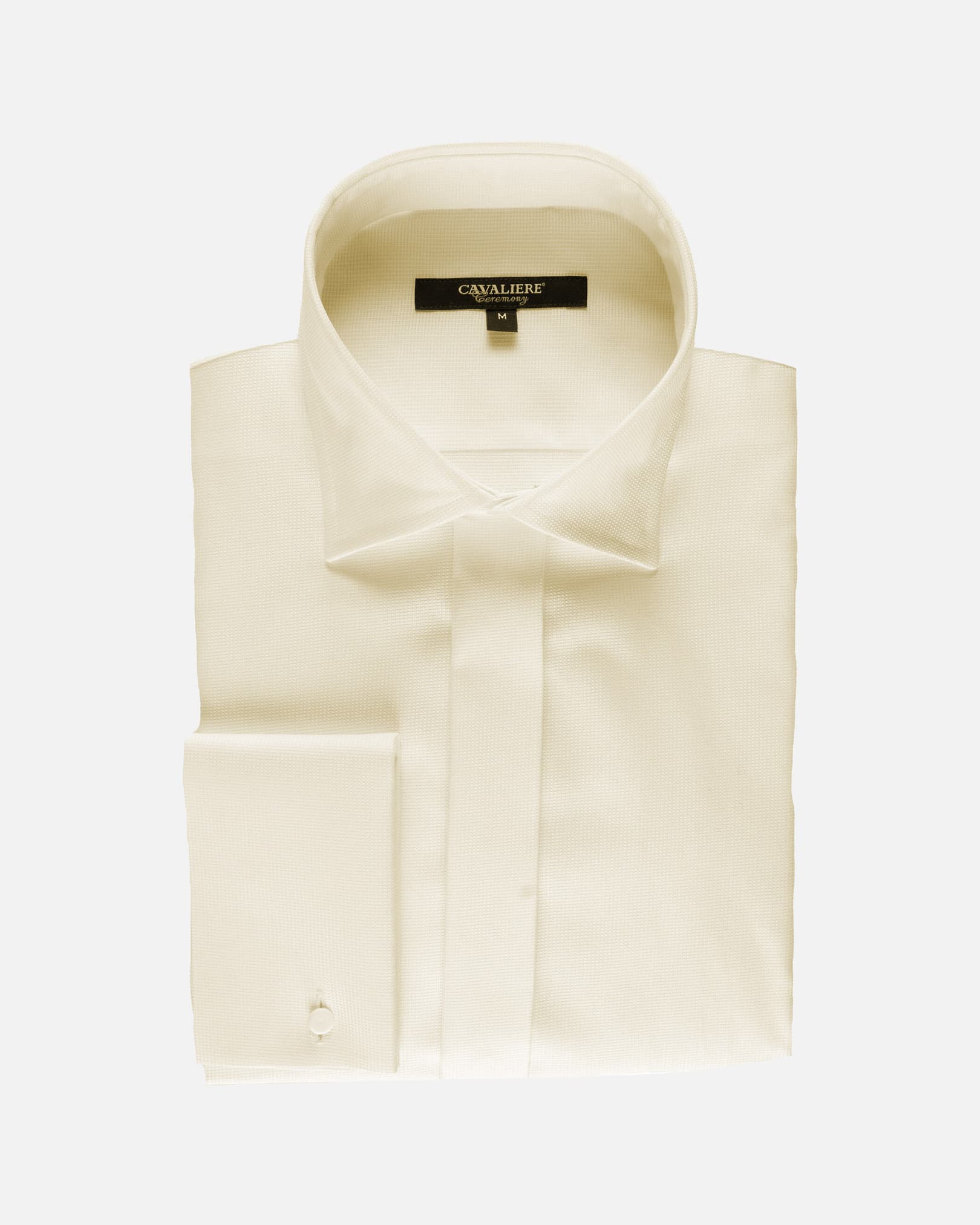
Shirts vary depending on use. A dress shirt is designed to be worn with tailoring, often paired with a suit or worn under a jacket in business settings. More casual shirts use softer construction and can be worn without a jacket.
Fit is central. A shirt should follow the body without excess fabric, while allowing movement across the shoulders and chest. Collar and cuff construction affect how the shirt works with a tie or open collar.
Fabric selection impacts both appearance and function. Cotton is the most common choice, offering breathability and durability. Finer weaves create a cleaner, more formal look, while textured fabrics are suited to less formal use.
A well-made shirt maintains its shape, collar structure, and overall appearance even after repeated wear and washing.
What is the difference between a dress shirt and a casual shirt?
A dress shirt is designed to be worn with tailoring, featuring a structured collar and cleaner finish. Casual shirts use softer construction and are worn without a tie or jacket.
How should a men’s shirt fit?
A shirt should follow the body without being tight. There should be enough room for movement while maintaining a clean line across the chest and waist.
Can you wear a dress shirt without a tie?
Yes, a dress shirt can be worn without a tie, especially in business or smart casual settings. The collar should still hold its shape when worn open.
What fabric is best for men’s shirts?
Cotton is the most widely used fabric due to its breathability and durability. Different weaves affect how formal or relaxed the shirt appears.